
What is Trigeminal Neuralgia?
Trigeminal neuralgia is a nerve condition that causes sudden, severe facial pain. This pain often feels like an electric shock. The trigeminal nerve, which controls feeling in your face, becomes irritated or compressed. As a result, even simple actions like brushing your teeth or touching your face can trigger pain. While this condition is rare, it can greatly affect daily life. For many, understanding the causes and surgical treatment (MVD) options is important for relief.
Common Causes of Trigeminal Neuralgia
There are several reasons why trigeminal neuralgia may develop. Often, a blood vessel presses on the trigeminal nerve near the brain. This pressure can damage the nerve’s protective covering. Sometimes, other causes include:
However, most cases are linked to blood vessel pressure. Over time, this can make the nerve send pain signals even when there is no real cause.
Symptoms and Diagnosis
Trigeminal neuralgia causes sharp, stabbing pain on one side of the face. Usually, the pain lasts a few seconds to a couple of minutes. For example, talking, eating, or even a light breeze can trigger an attack. Other symptoms may include:
Doctors diagnose trigeminal neuralgia by asking about your symptoms and doing a physical exam. Sometimes, they use MRI scans to check for blood vessel pressure or other causes. Early diagnosis helps start the right treatment quickly.
Overview of Surgical Treatment: Microvascular Decompression (MVD)
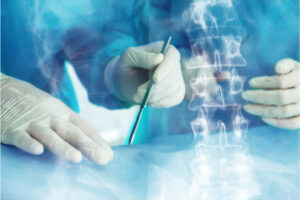
When medicines do not control the pain, doctors may suggest surgery. Microvascular decompression (MVD) is a common surgical treatment for trigeminal neuralgia. During MVD, a neurosurgeon moves the blood vessel away from the nerve. Then, a small pad is placed between them to stop the pressure. This surgery aims to relieve pain without damaging the nerve. Many people find long-term relief after MVD. However, it is important to discuss all options with your doctor.
Benefits and Risks of MVD Surgery
MVD surgery offers several benefits for people with trigeminal neuralgia. For instance, it can:
But, like all surgeries, there are some risks. These may include:
Therefore, it is important to weigh the benefits and risks with your neurosurgeon. Most people recover well, but careful follow-up is needed.
Recovery and Lifestyle Guidance After MVD
After MVD surgery, most people stay in the hospital for a few days. During this time, doctors watch for any problems. At home, you should:
With time, many people return to normal activities. However, it is wise to avoid triggers that may cause pain. Eating soft foods and using gentle face care can help during recovery.
Prevention and When to See a Neurologist
While you cannot always prevent trigeminal neuralgia, early treatment can help manage symptoms. If you notice sudden, severe facial pain, see a doctor soon. Especially if pain is frequent or affects daily life, a neurologist can help find the cause. Early care may prevent the pain from getting worse. In summary, do not ignore ongoing facial pain. Prompt care leads to better outcomes.
For more information, you can visit trusted sources like the World Health Organization (WHO) or the National Institutes of Health (NIH).
Consult a neurologist Dr Syed Yasin S Emanee for personalized advice on trigeminal neuralgia and its treatment options.