What is a Slipped Disc?
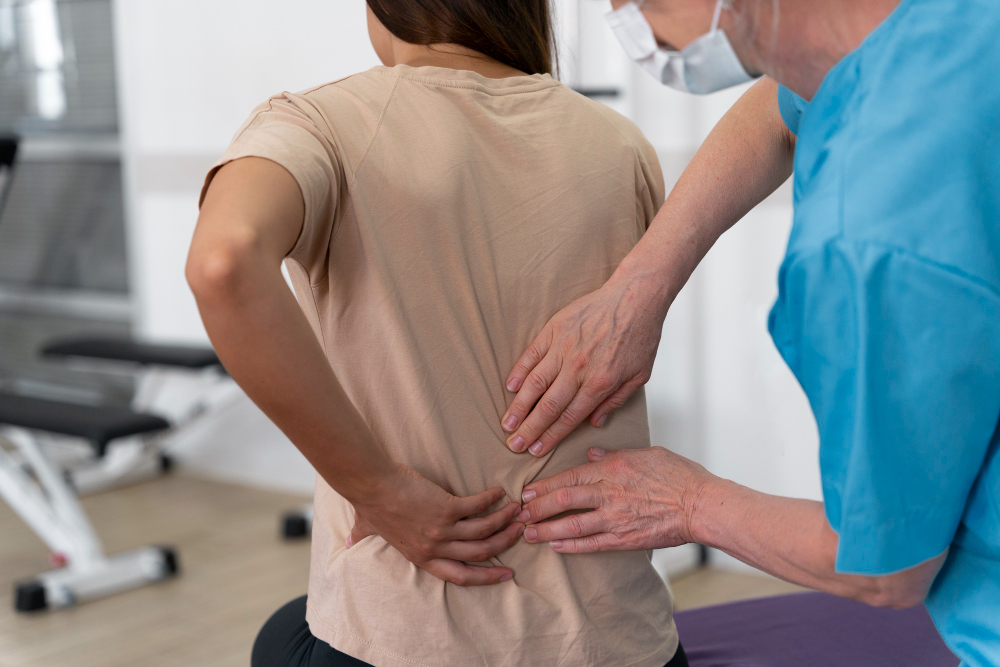
A slipped disc happens when one of the soft pads between the bones in your spine moves out of place. This can press on nearby nerves. As a result, you may feel pain, numbness, or weakness. Many people look for slipped disc treatment to get back pain relief. In the US, slipped discs are a common cause of back pain.
Understanding Sciatica
Sciatica is pain that travels along the path of the sciatic nerve. This nerve runs from your lower back down each leg. Often, a slipped disc causes sciatica by pressing on this nerve. Because of this, you may feel pain, tingling, or numbness in your leg or foot. Sciatica can make it hard to walk or sit comfortably.
Symptoms and Causes
Slipped discs and sciatica can cause a range of symptoms. For example, you might notice:
There are several causes for a slipped disc and sciatica. Most often, these include:
Diagnosis Methods
Doctors use several methods to diagnose a slipped disc or sciatica. First, they ask about your symptoms and medical history. Next, they may perform a physical exam. Sometimes, they order tests such as:
Early diagnosis helps you find the best slipped disc treatment or sciatica surgery options near you.
Non-Surgical Treatment Options
Many people get relief from non-surgical options for slipped disc and sciatica. These treatments are often the first step. For example, your doctor may suggest:
With these steps, most people feel better in a few weeks. However, if pain continues, other options may be needed.
Surgical Treatment Options
Sometimes, non-surgical treatments do not work. In these cases, doctors may suggest surgery. There are different types of sciatica surgery and minimally invasive spine surgery. Common surgical options include:
Surgery is usually safe, but it has risks. Therefore, doctors only recommend it when other treatments fail or if you have severe symptoms.
Comparing Surgical vs Non-Surgical Approaches
Both surgical and non-surgical options have benefits and risks. Non-surgical treatments are less risky and help most people. However, they may take longer to work. Surgery can give faster relief, especially for severe pain or nerve problems. But, it comes with risks like infection or nerve injury. Your doctor will help you choose the best option for your needs.
Prevention and Lifestyle Tips
There are steps you can take to lower your risk of a slipped disc or sciatica. For instance, you can:
With these habits, you can help prevent back pain and stay active.
When to See a Specialist
Sometimes, slipped disc or sciatica symptoms do not improve with home care. In that case, you should see a neurology or spine specialist. Seek help if you have:
Early treatment can prevent long-term problems and help you get back to normal life.
For the best advice on slipped disc & sciatica: surgical vs non-surgical options, consult Dr. Syed Yasin S Emanee. They can guide you to the right treatment for your needs.