
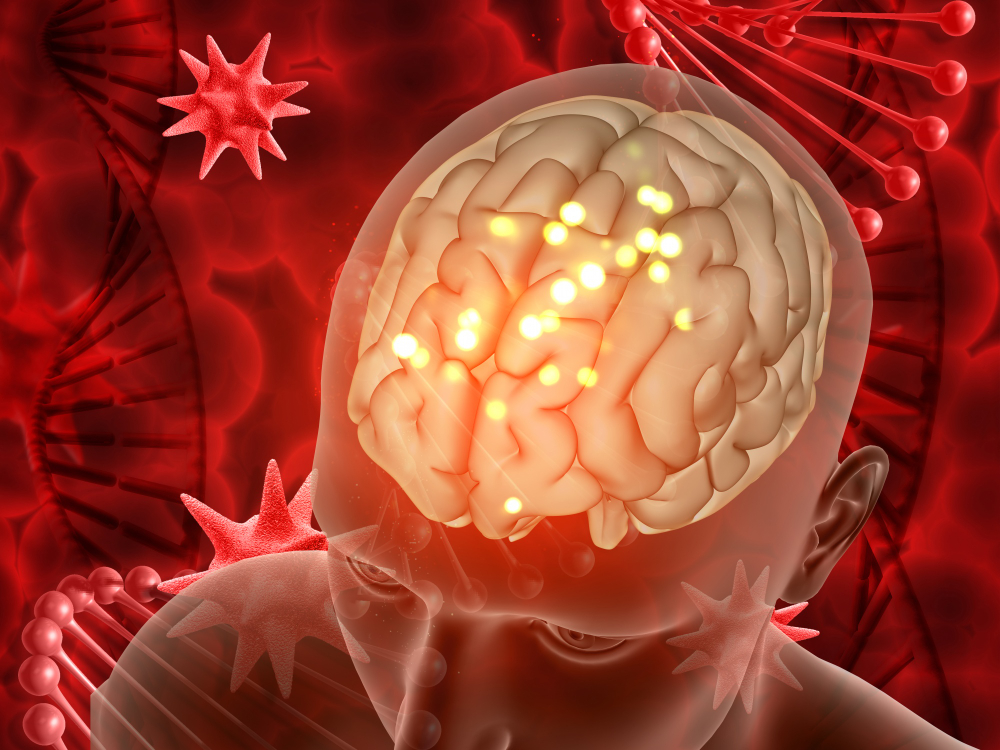
What is a Brain Abscess?
A brain abscess is a serious condition. It happens when an infection causes a pocket of pus to form inside the brain. This pocket can press on brain tissue. As a result, it can cause many health problems. In the United States and worldwide, brain abscess is rare but can be life-threatening. Early care is important. Doctors call this a medical emergency. The infection can come from bacteria, fungi, or other germs. Sometimes, it spreads from another part of the body. For example, an ear or sinus infection can lead to a brain abscess. Understanding brain abscess helps you spot warning signs early.
Common Symptoms of Brain Abscess
Symptoms of brain abscess can appear quickly. However, some people may notice them slowly. Because the brain controls many body functions, symptoms can vary. Still, some signs are more common. If you notice these, seek medical help right away:
Sometimes, symptoms may look like other brain problems. Therefore, it is important to get checked if you have these brain infection symptoms.
Causes and Risk Factors
Many things can cause a brain abscess. Most often, bacteria are to blame. However, fungi or parasites can also cause infection. The infection may start in the brain. More often, it spreads from another area. For example, germs from the ears, sinuses, or teeth can travel to the brain. Sometimes, a head injury or surgery can let germs in. People with weak immune systems face a higher risk. This includes those with HIV, cancer, or diabetes. In addition, people who use drugs by injection are at risk. The main causes of brain abscess include:
Knowing the causes of brain abscess can help you lower your risk. For example, treating infections early is key.
How Brain Abscess is Diagnosed
Doctors use several steps to diagnose a brain abscess. First, they ask about your symptoms and health history. Next, they may do a physical exam. Because symptoms can look like other problems, doctors often use tests. These tests help find the brain infection and its cause. Common tests include:
Early diagnosis is important. That way, treatment for brain abscess can begin quickly.
Treatment Options for Brain Abscess
Treating a brain abscess usually needs a hospital stay. Doctors use several methods to treat the infection. Most people need strong antibiotics or antifungal medicines. These are given through a vein. Sometimes, surgery is needed. For example, if the abscess is large or does not get better with medicine, doctors may drain the pus. Surgery can also help if the abscess is pressing on brain tissue. Treatment for brain abscess may include:
Doctors will watch you closely during treatment. They may repeat scans to check if the abscess is shrinking.
Recovery and Lifestyle Guidance
After treatment, recovery from a brain abscess can take time. Some people get better in a few weeks. Others may need months to heal. During recovery, you may need physical therapy or speech therapy. This helps if the abscess affected movement or speech. It is important to follow your doctor’s advice. For example, take all medicines as prescribed. Also, keep all follow-up appointments. Rest is important for healing. In addition, eating healthy foods and staying hydrated can help your body recover. Some people may need help at home during recovery. Family and friends can support you as you heal.
Preventing Brain Abscess
While not all cases can be prevented, you can lower your risk. Taking care of your health is key. Here are some tips on how to prevent brain abscess:
Because brain abscess can be serious, early action is important. Staying healthy and seeking care for infections can make a big difference.