
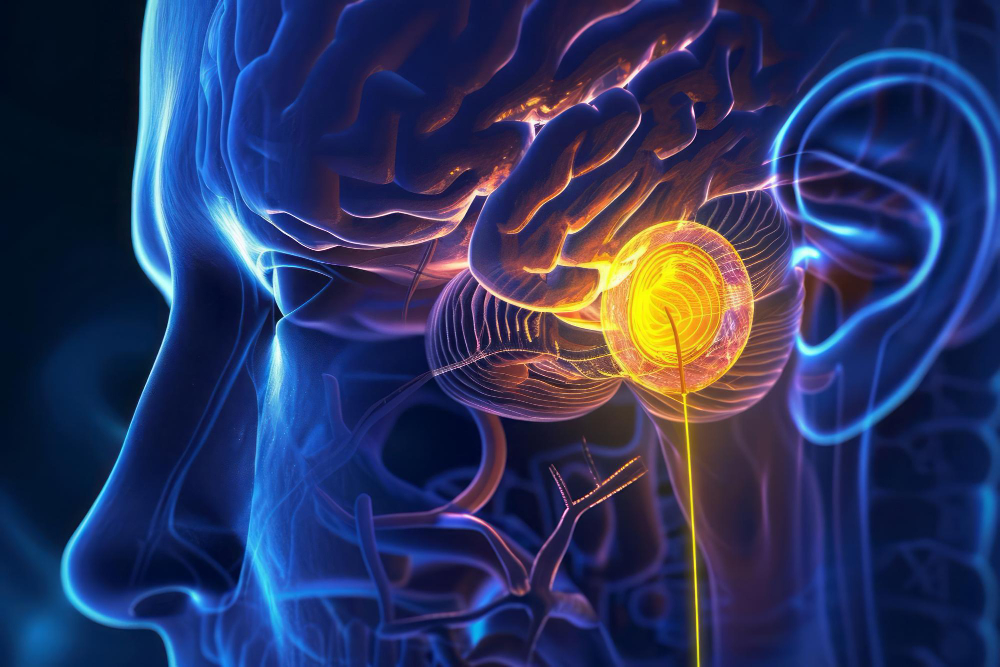
What is Acoustic Neuroma?
Acoustic neuroma is a rare, non-cancerous brain tumour. It grows on the nerve that connects the ear to the brain. This nerve helps you hear and keep your balance. Because the tumour presses on this nerve, people often notice hearing loss and ringing in the ears. These are common signs of acoustic neuroma. While the tumour grows slowly, it can cause problems if not found early.
Common Symptoms
Many people first notice changes in their hearing. For example, you may have trouble hearing in one ear. Often, a ringing sound called tinnitus appears. These are key symptoms of acoustic neuroma. However, other symptoms can also develop as the tumour grows.
Because these signs can be mild at first, many people do not notice them right away. Still, it is important to pay attention to any changes in hearing or balance.
Causes and Risk Factors
Doctors do not know the exact cause of acoustic neuroma. However, some factors may raise your risk. For instance, a rare genetic disorder called neurofibromatosis type 2 can lead to these tumours. Most cases happen by chance, with no clear reason. Age can also play a role, as the tumour is more common in adults between 30 and 60 years old. Family history may increase your risk, but this is rare.
Although these risk factors exist, most people with acoustic neuroma have no known cause.
How Acoustic Neuroma is Diagnosed
Doctors use several steps to find out if you have an acoustic neuroma. First, they ask about your symptoms, such as hearing loss or ringing in the ears. Next, they may check your hearing with simple tests. If they suspect a tumour, they often order a special scan called an MRI. This scan shows detailed pictures of the brain and ear nerves. Sometimes, a hearing test called an audiogram helps measure how much hearing is lost. Early diagnosis is important because it helps guide treatment.
Treatment Options
Treatment for acoustic neuroma depends on the size of the tumour and your symptoms. Sometimes, doctors recommend regular check-ups and scans if the tumour is small and not causing problems. This is called “watchful waiting.” In other cases, treatment may include:
Each option has risks and benefits. Therefore, your doctor will help you choose the best plan for your needs.
Living with Acoustic Neuroma: Lifestyle Tips and Support
Living with acoustic neuroma can be challenging. However, many people find ways to manage their symptoms. For example, using hearing aids can help with hearing loss. Balance exercises may improve stability. In addition, joining a support group can provide comfort and advice from others facing similar issues.
With the right support, many people continue to lead active lives.
Prevention and Early Detection
Currently, there is no known way to prevent acoustic neuroma. However, early detection can make a big difference. If you notice signs of acoustic neuroma, such as hearing loss or ringing in one ear, talk to your doctor. Regular hearing checks are helpful, especially if you have risk factors. Early diagnosis allows for more treatment choices and better outcomes.