
What Are Cervical Disc Problems?
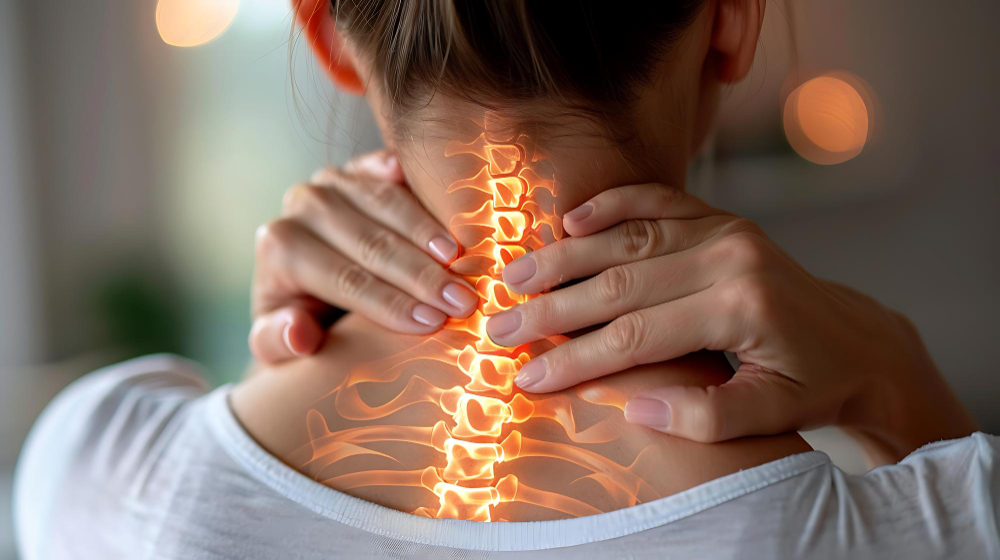
Cervical disc problems affect the discs in your neck. These discs sit between the bones in your spine. They act as cushions and help your neck move smoothly. When these discs become damaged, you may feel pain or stiffness. For example, cervical disc degeneration is common as people age. Sometimes, a disc can bulge or herniate, pressing on nerves. This can lead to more serious symptoms. Many people experience neck pain due to these issues. Understanding cervical disc problems can help you find relief and prevent further injury.
Common Causes of Cervical Disc Problems
Many factors can lead to cervical disc problems. Often, these issues develop slowly over time. However, sudden injuries can also cause damage. Below are some common causes:
Because these causes are common, it is important to know how to protect your neck.
Recognizing the Symptoms
Cervical disc problems can cause a range of symptoms. Sometimes, the signs are mild. Other times, they can be severe. For instance, you may notice:
In rare cases, severe disc problems can affect balance or bladder control. If you notice these symptoms, seek medical help right away. Early treatment can prevent further damage.
Diagnosis: How Cervical Disc Problems Are Identified
Doctors use several steps to diagnose cervical disc problems. First, they ask about your symptoms and medical history. Next, they perform a physical exam. During the exam, your doctor may check your neck movement and nerve function. If needed, imaging tests help confirm the diagnosis. These may include:
Sometimes, doctors use nerve tests to see how signals travel through your arms. Because early diagnosis is key, do not ignore ongoing neck pain.
Treatment Options for Cervical Disc Problems
Many people find relief with simple treatments. However, some may need more advanced care. Treatment depends on the cause and severity of your symptoms. Common options include:
In some cases, surgery is needed. For example, herniated cervical disc treatment may involve removing part of the damaged disc. If you need cervical disc treatment in your city, ask your doctor about local options. Most people recover well with the right care.
Lifestyle Tips for Managing Cervical Disc Problems
Living with cervical disc problems can be challenging. Still, small changes can make a big difference. Try these tips to manage symptoms and protect your neck:
Because stress can worsen pain, try relaxation techniques like deep breathing or meditation. Always follow your healthcare provider’s advice for the best results.
Prevention Strategies
While not all cervical disc problems can be prevented, you can lower your risk. Here are some ways to help protect your neck health:
For more tips on how to prevent cervical disc problems, talk with your doctor. Early action can help you stay active and pain-free for years to come.