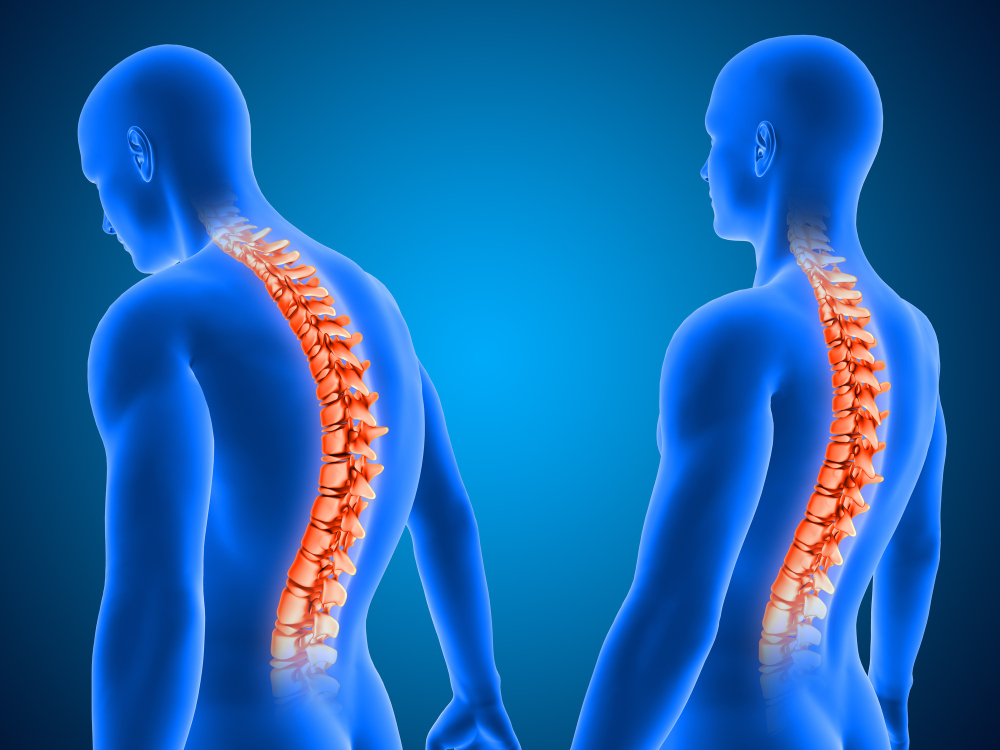
Spondylolisthesis happens when one of the bones in your spine, called a vertebra, slips out of place. This can cause pain, numbness, or trouble moving. For some people, spondylolisthesis can make daily life hard. While many cases improve with simple care, others may need more help. In some cases, spinal fusion becomes the best treatment for a slipped vertebra. This blog explains what spondylolisthesis is, how it affects you, and when spinal fusion might be needed.
What Is Spondylolisthesis?
Spondylolisthesis is a condition where a vertebra slips forward over the bone below it. As a result, the spine may become unstable. This can put pressure on nerves and cause pain. Sometimes, the slipped vertebra does not cause any symptoms. However, for others, it can lead to serious back or leg problems. Doctors use the term “slipped vertebra” to describe this condition. Spondylolisthesis can happen at any age, but it is most common in teens and older adults. For many, it is a leading cause of lower back pain.
Common Symptoms of Spondylolisthesis
Not everyone with spondylolisthesis has symptoms. Still, many people notice changes in their body. For example, you may feel pain or weakness. Here are some common signs:
Sometimes, symptoms can come and go. But if pain is severe or does not improve, it is important to seek medical advice.
Causes and Risk Factors
There are several reasons why a vertebra may slip. For instance, some people are born with weak bones in the spine. Others develop spondylolisthesis after an injury. Here are some common causes and risk factors:
Additionally, activities that put stress on the lower back, such as gymnastics or football, can increase the risk. While anyone can get spondylolisthesis, it is more common in teens and older adults.
How Spondylolisthesis Is Diagnosed
Doctors use several steps to diagnose spondylolisthesis. First, they ask about your symptoms and medical history. Next, they perform a physical exam to check for pain, weakness, or changes in movement. Often, imaging tests are needed. For example, X-rays can show if a vertebra has slipped. Sometimes, doctors use MRI or CT scans to look for nerve pressure or other spine problems. These tests help guide the best slipped vertebra treatment for each person.
When Is Spinal Fusion Needed?
Most people with spondylolisthesis get better with rest, physical therapy, and medicine. However, some cases do not improve. In these situations, spinal fusion for spondylolisthesis may be needed. Doctors may suggest surgery if:
Spinal fusion is a type of back pain surgery that helps stabilize the spine. It can stop the vertebra from slipping further and relieve nerve pressure.
What to Expect from Spinal Fusion Surgery
Spinal fusion joins two or more bones in your spine. During surgery, doctors use bone grafts and sometimes metal rods or screws. This helps keep the bones in place while they heal. As a result, the slipped vertebra cannot move anymore. The surgery usually takes a few hours. Most people stay in the hospital for a few days. While recovery takes time, many people feel less pain after healing. Your doctor will explain the risks and benefits before surgery.
Recovery and Lifestyle Tips After Spinal Fusion
After spinal fusion, recovery is important. With the right care, most people return to normal activities. Here are some helpful tips:
Gradually, you can increase your activity as your spine heals. However, always check with your doctor before starting new exercises.
Preventing Spondylolisthesis and Protecting Your Spine
While not all cases can be prevented, there are ways to lower your risk. For example, keeping your back strong and flexible helps. Here are some tips to protect your spine:
Finally, if you have back pain that does not go away, see a doctor. Early care can prevent more serious problems and may help you avoid back pain surgery in the future.
Conclusion
If you have back pain or think you may have spondylolisthesis, talk to Dr. Syed Yasin Shahtaz Emanee at our clinic. Early care can help you feel better and protect your spine.