What Is Navigation-Assisted Brain Surgery?
Navigation-assisted brain surgery is a modern approach that helps doctors perform brain operations with greater accuracy. In fact, this method uses special computer systems to guide surgeons during the procedure. As a result, brain surgery precision improves, and the risk of harming healthy tissue decreases. Many hospitals now use neurosurgical navigation systems for both simple and complex cases. For patients in large cities and advanced medical centers, this technology is becoming more common.
How Does Navigation Technology Work in Neurosurgery?
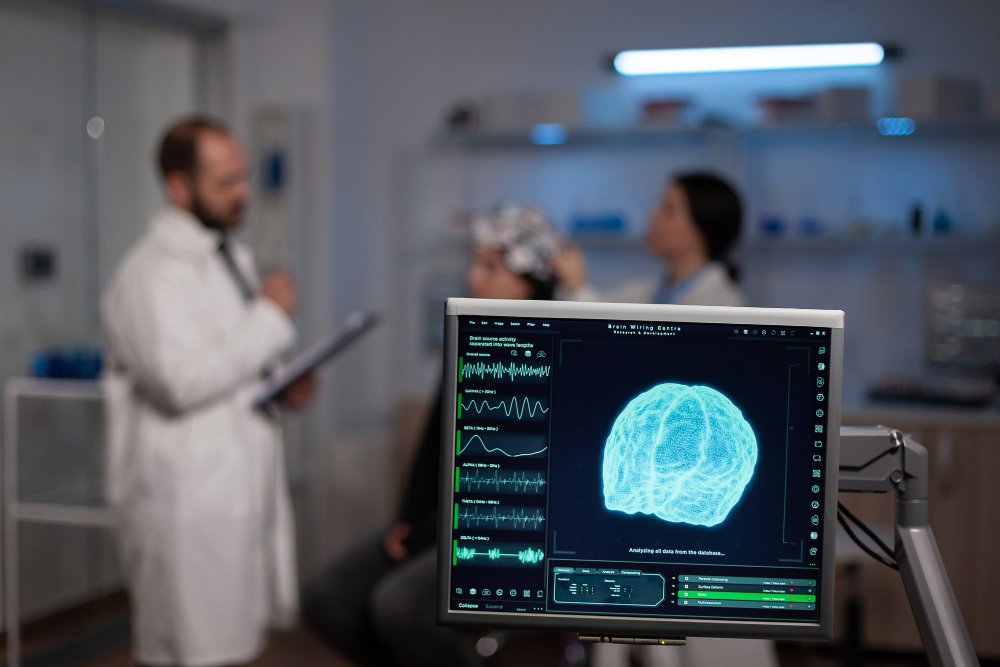
Navigation technology in neurosurgery works much like a GPS for the brain. Before surgery, doctors take detailed images of the brain using MRI or CT scans. Then, these images are loaded into a computer system. During the operation, the system tracks the surgeon’s tools in real time. As a result, doctors always know exactly where they are inside the brain. This helps them avoid important areas and target the problem more directly. For example, neurosurgical navigation systems can show the safest path to a tumor or blood clot.
Benefits of Navigation-Assisted Brain Surgery
Navigation-assisted brain surgery offers several important benefits. Because the technology guides the surgeon, it increases the safety and success of the operation. Additionally, it can help make brain procedures less invasive. Here are some key advantages:
According to the World Health Organization, using advanced tools often leads to better patient safety and results.
Common Conditions Treated with Navigation-Assisted Surgery
Doctors use navigation-assisted brain surgery for many different conditions. In fact, this technology is helpful for both adults and children. Some of the most common problems treated include:
Because neurosurgical navigation systems make surgery more precise, doctors can treat these conditions with greater confidence.
The Surgical Process: Step-by-Step Overview
Navigation-assisted brain surgery follows a careful process. Each step is designed to keep patients safe and improve results. Here is a simple overview:
Because the process uses real-time guidance, it supports minimally invasive brain procedures and reduces risks.
Risks and Safety Considerations
While navigation-assisted brain surgery is safer than many older methods, every surgery has some risks. However, using navigation technology helps lower these risks. Possible concerns include:
Still, the chance of serious problems is lower when surgeons use advanced navigation systems. According to the CDC, using modern surgical tools can help prevent many complications.
Advances and Future Directions in Navigation-Assisted Neurosurgery
Navigation-assisted brain surgery continues to improve each year. For example, new systems now use 3D imaging and even virtual reality to help surgeons plan and perform operations. Some hospitals are testing robotic tools that work with navigation systems for even more accuracy. In the future, experts expect these advances to make brain surgery even safer and less invasive. As technology grows, more patients will benefit from precise, minimally invasive brain procedures. Ongoing research from medical journals and organizations like the WHO supports these exciting changes in neurosurgical care. Better health begins with awareness, timely action, and the right support. Get in touch with us today consult Dr Syed Yasin S Emanee