What Is Spinal Cord Injury Rehabilitation?
Spinal cord injury rehabilitation is a process that helps people recover after damage to the spinal cord. This care focuses on regaining movement, strength, and daily skills. Early rehabilitation after spinal cord trauma can improve quality of life. It also helps prevent further problems. The main goal is to help people live as independently as possible.
Common Causes of Spinal Cord Injuries
Many things can cause spinal cord injuries. For example, accidents are a leading cause. However, some injuries happen due to illness or other health issues. Here are some common causes:
Because these causes vary, each person’s injury and recovery may be different.
Symptoms and Effects of Spinal Cord Trauma
Spinal cord injuries can affect the body in many ways. The symptoms depend on where the injury happens and how severe it is. For instance, some people lose feeling or movement below the injury. Others may have pain or muscle spasms. Common effects include:
Because symptoms can change over time, regular check-ups are important.
Diagnosis and Assessment
Doctors use several steps to diagnose a spinal cord injury. First, they ask about the accident or illness. Next, they check movement, feeling, and reflexes. Often, imaging tests help show the injury. These may include:
After diagnosis, a team of specialists creates a care plan. This plan guides rehabilitation after spinal cord trauma.
Rehabilitation Goals and Approaches
Rehabilitation aims to help people regain as much function as possible. For example, some may learn to walk again, while others focus on using a wheelchair. Key goals include:
Because each person is unique, the approach is tailored to their needs. The care team may include doctors, nurses, therapists, and counselors.
Physical Therapy and Occupational Therapy
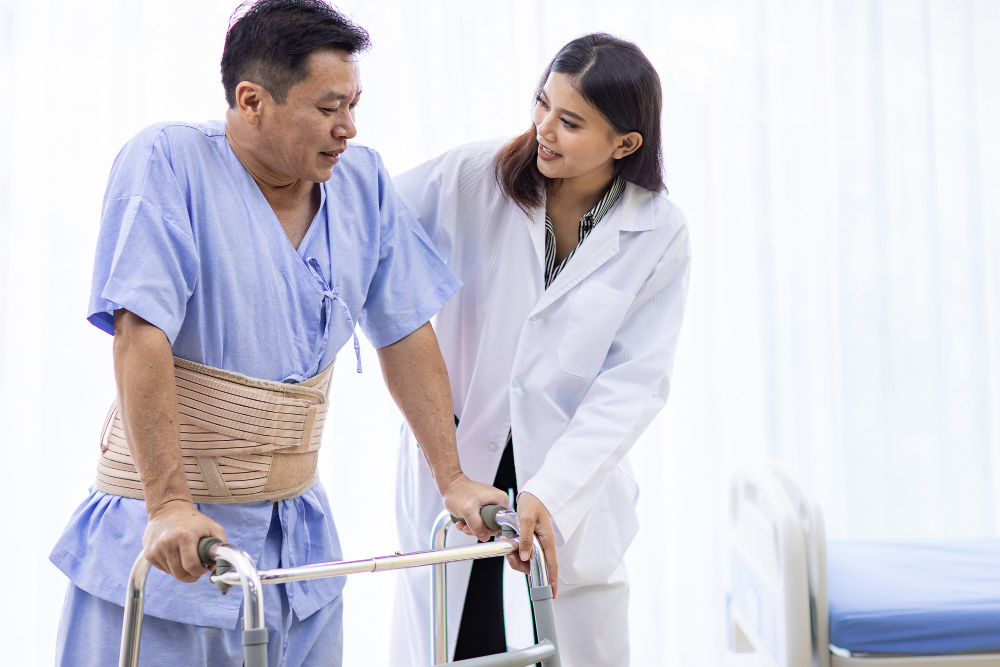
Physical therapy helps people regain movement after spinal injury. Therapists guide exercises to build strength and flexibility. They also teach safe ways to move and transfer. Occupational therapy focuses on daily activities. For instance, therapists help with dressing, bathing, and eating. Both therapies are key parts of spinal cord injury recovery tips.
Assistive Devices and Technology
Many people use assistive devices to improve independence. For example, wheelchairs help with mobility. Other tools may include:
Because technology keeps improving, new devices can make daily life easier.
Lifestyle Tips for Recovery
Healthy habits support recovery after spinal cord trauma. For instance, eating a balanced diet helps the body heal. Here are some useful tips:
Because recovery can be slow, patience and support are important.
Prevention of Further Injury
After a spinal cord injury, it is vital to avoid new injuries. For example, always use seat belts in vehicles. Other ways to stay safe include:
Because prevention is key, talk to your care team about safety tips.
Frequently Asked Questions
For personalized guidance on spinal cord injury recovery, consult Dr Syed Yasin S Emanee.